Smart Credentials vs. Mobile Access: Which Is Right for Your Commercial Estate?
19 October 2026
Summary
As organisations transition toward keyless architectures, two dominant paths have emerged: high-security encrypted smart cards (such as MIFARE and DESFire) and smartphone-based mobile access control using NFC or Bluetooth.
This article explores how to evaluate these technologies based on sector demands, footfall, user demographics, and long-term security priorities.
Key Takeaways
- Traditional plastic fobs and metal keys lack advanced encryption, making them prone to cloning, loss, and costly administrative re-keying.
- While high-security smart cards offer durability and familiarity for high-turnover or industrial sites, mobile access control delivers unmatched convenience and remote provisioning for corporate HQs.
- Any access control migration must integrate seamlessly with fire alarm architectures to ensure fail-safe emergency egress and accurate digital mustering.
For modern commercial, educational, and hospitality estates, physical keys and basic proximity cards have become operational liabilities. Easily lost, shared, or cloned, legacy tokens compromise site security and create constant administrative friction for facilities teams.
Moving Beyond the Plastic Fob and Traditional Key
In mid-to-large-scale commercial environments, relying on physical keys or basic unencrypted proximity cards introduces unacceptable risk. Lost or stolen cards compromise interior boundaries, while shared fobs distort audit trails and leave security teams guessing who accessed sensitive zones.
Modern estates require flexible, secure, and user-friendly entry methods. Rather than treating credential selection as an afterthought, choosing between physical smart cards and smartphone-based mobile access depends heavily on your specific sector, user demographics, daily footfall, and overarching security priorities.
Option A: Encrypted Smart Cards & High-Security Fobs
For many environments, physical credentials remain a practical cornerstone of daily operations - provided they leverage modern cryptographic standards.
High-Security RFID Standards
Using advanced technologies like MIFARE DESFire ensures that the credential is heavily encrypted, rendering it virtually impossible to clone compared to legacy 125kHz proximity cards.
Best Suited For:
- Education Campuses: Where students frequently misplace smartphones or where administrators prefer issuing physical cards for younger cohorts.
- High-Turnover Hospitality: Hotels and venues where issuing temporary RFID keycards to guests is an established, efficient workflow.
- Industrial & Commercial Sites: Environments where staff wear heavy PPE or work in areas where mobile phones are restricted, prohibited, or impractical to carry.
Key Advantages: Familiarity, extreme physical durability, and cost-effectiveness for bulk issuance.
Option B: Mobile Access Control
Using smartphones as primary digital credentials via Bluetooth Low Energy (BLE) or Near Field Communication (NFC) represents the cutting edge of frictionless workplace design.
The Smartphone as a Key
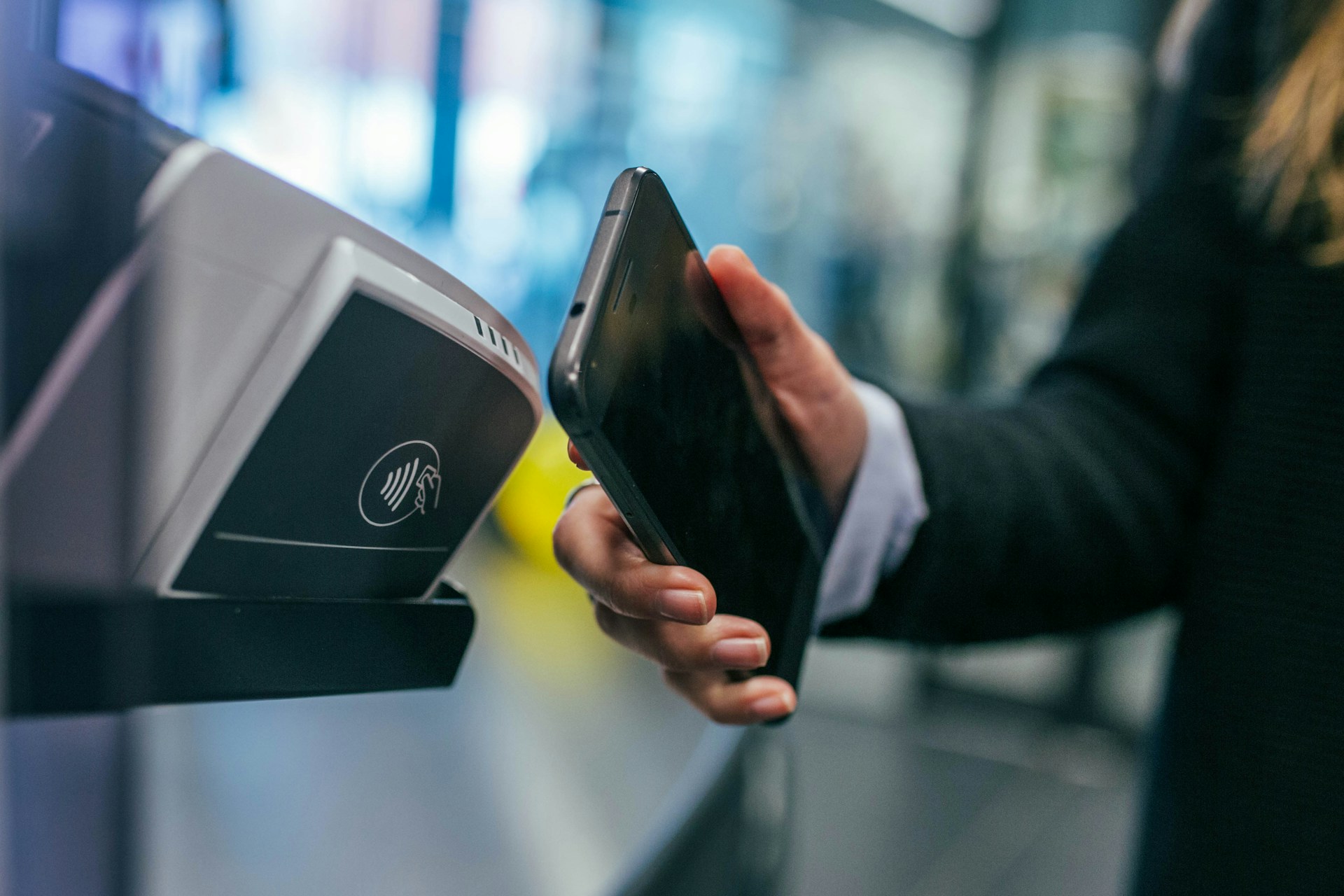
Employees integrate access tokens directly into secure wallet applications (such as Apple Wallet or Google Pay) or dedicated vendor apps, tapping their phones against readers just like a standard card.
Best Suited For:
- Modern Corporate HQs & Offices: Environments where employees rarely leave their desks without their phones and expect a seamless, tech-forward building experience.
- Multi-Site Enterprises: Allowing system administrators to provision, update, or revoke a mobile credential remotely in seconds - even if the user is onboarding from home or working across multiple regional offices.
Key Advantages: Ultimate convenience, zero physical card production costs, and enhanced security because phones are password- or biometrically locked by their owners.
Critical Comparison Factors for Building Managers
When designing a modern access control system, building managers must weigh several operational variables to determine the right fit:
Convenience vs. Power Dependency
Mobile access wins on daily convenience (users rarely forget their smartphones), but smart cards have zero battery dependency - ensuring a dead phone battery never locks an employee out unless mechanical or hybrid backups are in place.
Administration & Remote Provisioning
Both solutions allow instant deactivation of lost credentials via a central dashboard, eliminating the panic associated with lost master keys. However, mobile provisioning excels for managing remote contractors or temporary staff without physical handover delays.
Cybersecurity & Infrastructure
Transitioning to smart credentials or mobile access requires robust IT network security, encrypted readers, and regular firmware updates managed by an accredited integrator.
For a broader look at how entry systems fit into your outer defences, explore our insights on Perimeter Security.
Regulatory Alignment and Life Safety Integration
No matter how advanced your chosen credential is, an access control installation must never compromise building safety compliance.
Fire Safety & Egress
All electronic locking systems must interface directly with your fire alarm network to "fail-safe" (unlock automatically) along designated escape routes during an emergency.
Muster Reporting
Modern access control systems feed real-time digital logs back to centralised management software, providing accurate roll-call data during fire evacuations. For a deeper dive into compliance requirements, review our guide on who the Responsible Person is under the Fire Safety Order 2005.
Designing a Tailored Access Control Solution
The choice between mobile access and encrypted smart cards comes down to balancing user habits, sector demands, and administrative goals. Many complex estates successfully adopt a hybrid approach - deploying mobile access for corporate personnel while utilising smart cards or fobs for visitors, contractors, or specific operational zones.
As an NSI Gold-approved security specialist, A-Plus Security helps high-end corporate, educational, and commercial clients navigate complex technical specifications, delivering integrated security solutions from initial architectural design to ongoing maintenance.
Evaluate your building’s security posture today. Complete our Security, Fire, and Life Safety Self-Assessment Checklist to identify priority areas before your next audit.
Contact A-Plus Security today or call our expert team directly on 01702 293157 to schedule a professional consultation and design a tailored access control solution for your estate.